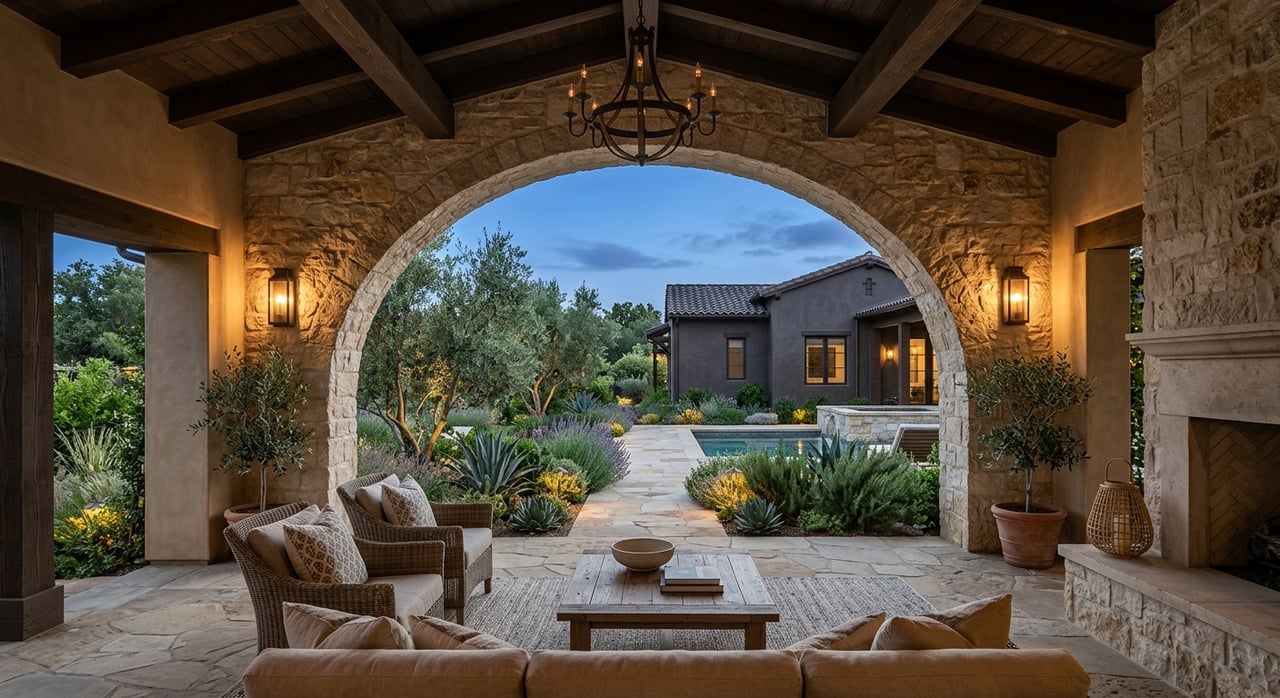
Your Guide to Buying a Second Home in Spicewood
July 23, 2026
July 23, 2026
Dreaming about a place where weekends feel longer and the pace feels lighter? Buying a second home or retreat property in Spicewood can be a smart lifestyle move, but it also comes with details that matter more than many buyers expect. If you want a hill country getaway that works beautifully now and still makes sense long term, knowing what to check before you buy can save you time, money, and stress. Let’s dive in.
Spicewood appeals to buyers who want access to the Highland Lakes region, natural scenery, and a more relaxed retreat setting while still staying within reach of Austin. Burnet County places the area about 50 miles northwest of Austin, and local tourism in the region is closely tied to outdoor recreation, lake activity, festivals, and small-town attractions.
For many buyers, that means a second home here is less about being close to city conveniences and more about how the property supports weekend living, seasonal use, or extended stays. If you plan to come and go throughout the year, the home needs to be easy to access, easy to maintain, and practical when it sits empty for periods of time.
There is also an important local wrinkle to understand early. Spicewood is an unincorporated community in southeastern Burnet County, but historic Spicewood mailing addresses have also served nearby communities in western Travis County. In practical terms, you should confirm the exact parcel location and jurisdiction before assuming the same county rules apply to every property with a Spicewood address.
When you buy a retreat property in Spicewood, the land and infrastructure matter just as much as the house itself. Rural and semi-rural properties can involve systems and site conditions that differ from a more typical suburban purchase.
Burnet County notes that building and septic permits are required, and a 9-1-1 address must be obtained before permit applications can be filed. The county also recommends bringing the latest survey and working with a registered professional land surveyor familiar with state and local platting laws.
If you are buying land or planning a custom build, Burnet County asks buyers to schedule a site review and development meeting. That step can help you understand what may be possible on the property before you finalize your plans.
Before you move forward, make sure you confirm:
These details can shape your renovation plans, insurance costs, future use, and overall ownership experience.
Many second-home buyers are excited about the setting and views, but utility systems should get equal attention. In the Spicewood and Burnet County market, some properties rely on septic systems and private wells rather than city services.
For septic systems, Burnet County provides oversight through its permitting process, and the Texas Commission on Environmental Quality offers homeowner guidance on choosing, installing, and maintaining on-site sewage facilities. If the property already has a septic system, you will want to verify its status and understand any maintenance needs before closing.
Private wells also call for careful review. The EPA states that private wells are not regulated by the agency and recommends annual testing for common concerns such as bacteria, nitrates, total dissolved solids, and pH. For a second home that may sit vacant between visits, understanding water quality and ongoing monitoring needs is especially important.
Floodplain review is another item you should not skip. Burnet County states that standard homeowner’s insurance does not cover flood damage, and it notes that National Flood Insurance Program coverage is available countywide.
The county also says there is usually a 30-day waiting period before a flood policy becomes effective. If you are buying a part-time property and want coverage in place, that timing matters.
If a home or lot is in the floodplain, Burnet County requires permits for development there and keeps elevation certificates on file for structures built in those areas. It is also wise to confirm whether the policy you are considering covers only the structure or also the contents, especially if you plan to furnish the home for personal use over time.
Not every getaway property is financed the same way. One of the first questions your lender will sort out is whether the home will be underwritten as a true second home or as an investment property.
Fannie Mae’s second-home criteria say the borrower must occupy the property for some portion of the year, keep it available primarily for personal use, and own a one-unit property that is suitable for year-round occupancy. It also notes that rental income does not automatically disqualify a loan if that income is not used to qualify and the other second-home standards are met.
That distinction matters because financing terms, reserve expectations, and documentation can change based on how the property is classified. If your plan includes occasional rental use, talk with your lender early so you understand how that may affect the loan structure.
If you are putting less than 20 percent down on a conventional loan, the Consumer Financial Protection Bureau says mortgage insurance is typically required. That can increase your monthly payment, so it helps to discuss down payment, reserves, and full monthly carrying costs upfront.
A second home in Spicewood may fit your lifestyle, but it usually will not be treated the same way as your primary residence for Texas property tax exemption purposes. The Texas Comptroller states that the general residence homestead exemption requires the property to be your principal residence.
That means a retreat property or part-time getaway generally will not qualify for that exemption. As you compare options, it is helpful to look at the full ownership picture, including taxes, insurance, upkeep, and financing.
Some buyers want a retreat home for personal use with the option to rent it out occasionally. That can be possible, but you should confirm the local and subdivision-specific rules before you close.
The Texas Comptroller says state hotel occupancy tax applies to short-term rentals, defined as rentals of all or part of a residential property to someone who is not a permanent resident for 29 days or less. If a rental platform does not collect and remit the tax on your behalf, the owner is responsible.
Burnet County also maintains hotel occupancy tax compliance materials and states a 5 percent county tax on qualifying lodging outside the city limits of Marble Falls, Burnet, and Bertram, with quarterly reporting requirements. For a Spicewood property, the practical question is whether that specific parcel falls within the county’s taxing area and who will handle filing and remittance.
If the property is in a neighborhood or subdivision with an HOA, do not rely on assumptions about short-term rentals. The Texas State Law Library explains that HOA rights typically depend on the association’s governing documents together with state law.
In simple terms, the deed restrictions, bylaws, and amendments need to be reviewed carefully. A property may have a great location and strong retreat appeal, but if the recorded documents restrict the type of rental use you want, that changes the opportunity.
Buying a second home in Spicewood can feel exciting, especially when you find a property with the right views, privacy, or lake access. Still, the smartest buyers slow down long enough to confirm the details that affect daily use and long-term value.
Use this checklist as a starting point:
Second-home purchases often look simple on the surface. You find a beautiful property, imagine weekends away, and start thinking about furniture and future plans. In Spicewood, though, the details behind the scenes can matter just as much as the setting.
Because properties can vary by county location, infrastructure, floodplain status, and HOA restrictions, a local, hands-on approach helps you avoid surprises. The goal is not just to buy a beautiful retreat. It is to buy one that fits how you actually want to use it.
If you are considering a second home or retreat property in Spicewood, working with someone who understands hill country nuances can make the process smoother from the first tour to the final closing. When you are ready for tailored guidance, connect with Sarah McAloon for a personal consultation.
Stay up to date on the latest real estate trends.
Ready to turn your real estate dreams into reality? Contact Sarah McAloon today for a stress-free and personalized home-buying experience!