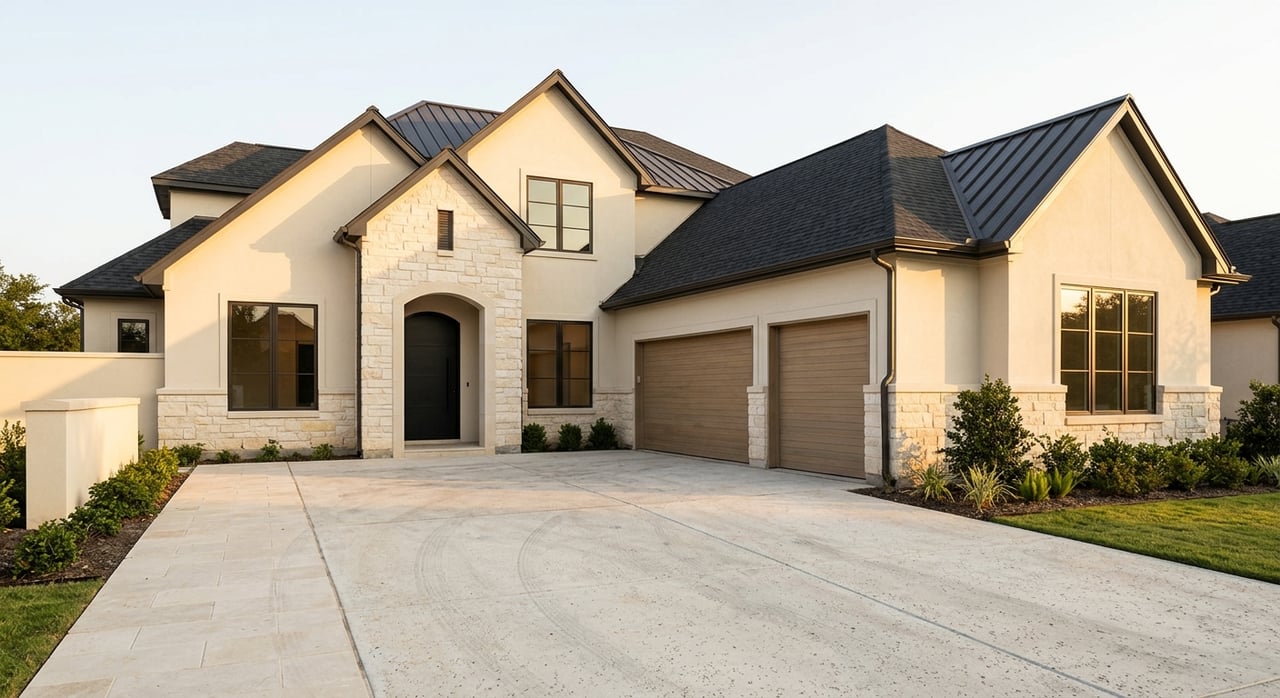
West Austin Suburbs Relocation Guide for Comparing Areas
June 18, 2026
June 18, 2026
Thinking about moving west of Austin, but not sure which suburb actually fits your day-to-day life? That confusion is common, especially when places like Lakeway, Bee Cave, Dripping Springs, and Spicewood can all sound similar at first glance. The good news is that each area has a distinct feel, commute pattern, and housing mix, and once you know what to compare, your search gets much easier. Let’s dive in.
One of the biggest relocation mistakes is treating West Austin like one single suburban area. In reality, it works more like a corridor market with several different communities spread across key roadways west of the city.
Lakeway and Bee Cave sit closer to central Austin and are closely tied to SH 71, RM 620, and Loop 360. Dripping Springs stretches west along US 290, while Spicewood sits farther out in the Lake Travis and Hill Country orbit. That means your daily experience can vary quite a bit depending on where you land.
If you are relocating, this matters because the best fit is often less about distance on a map and more about how you want to live. Commute route, property type, and access to amenities usually shape the decision faster than zip code alone.
Before you compare homes, compare roads. In this part of the Austin area, commute predictability is often one of the biggest differences between communities.
Lakeway and Bee Cave typically funnel traffic onto SH 71 and RM 620, with Loop 360 also important for some destinations. TxDOT identifies RM 620 as both a local thoroughfare and a commuter highway, and Loop 360 as a major north-south commuter corridor between US 183 and US 290/SH 71.
Dripping Springs has a different pattern. It is more connected to US 290 and the Oak Hill corridor, where TxDOT is studying long-term safety and mobility improvements from southwest Austin to Dripping Springs.
Spicewood is usually the most route-dependent of the group. It sits farther west and is more tied to the SH 71 and Lake Travis side of the metro, so your drive can feel very different from the closer-in suburbs.
If your job, family routine, or lifestyle requires frequent trips into Austin, the route may matter more than the address itself. Two homes that seem similar online can create very different weekday schedules.
As you narrow your search, ask yourself:
Lakeway is a Travis County city on the south shore of Lake Travis, about 25 miles west of downtown Austin. It is often a strong fit for buyers who want a suburban setting with a high level of built-in amenities and a strong connection to the lake.
The city highlights golf courses, tennis courts, marinas, trails, greenbelts, parkland, a private airport, and a full-service hotel and spa. That combination gives Lakeway a polished, resort-style identity that stands out in the West Austin market.
From a housing perspective, Lakeway is the most single-family-focused option in this group. Its comprehensive plan reports that 78.9 percent of housing is single-unit detached, which is much higher than Bee Cave or Dripping Springs.
Bee Cave is a small Travis County city centered between SH 71, RM 620, and Bee Caves Road. For many relocation buyers, its main appeal is convenience.
Official city messaging emphasizes retail, dining, events, parks, and trees, and the public library is located in Hill Country Galleria, a mixed-use development with retail, office, and residential uses. Bee Cave also became an International Dark Sky Community in 2023, which reflects the city’s attention to nighttime lighting standards.
Compared with Lakeway, Bee Cave has a more mixed housing profile. In Lakeway’s peer table, Bee Cave shows 56.1 percent detached homes and 26.1 percent housing in 20-or-more-unit buildings, which suggests more variety in how and where you can live.
Dripping Springs sits west of Austin in northern Hays County and is often the choice for buyers who want a Hill Country setting with suburban momentum. The city says it is about 25 minutes west of Austin and describes itself around open space, history, recreation, live music, craft breweries, and wineries.
The city also notes that it is one of the fastest-growing cities in Texas. Its development materials say that much of the recent growth has been in residential land uses and subdivisions within the city limits and ETJ.
Housing in Dripping Springs is still strongly suburban, but it offers more variety than Lakeway. In the same peer table, Dripping Springs shows 55.4 percent detached homes and 19.3 percent housing in 20-or-more-unit buildings.
Spicewood is best understood as the farthest-out and most rural-feeling option in this group. It is more lake-oriented and more scattered in development pattern than Lakeway, Bee Cave, or Dripping Springs.
The area is tied to Lake Travis recreation, and Pace Bend Park is one of its biggest draws. The park has more than nine miles of Lake Travis shoreline, plus boat ramps, camping, and trails.
For many buyers, Spicewood is where the trade-off becomes clear. You may gain acreage, privacy, or stronger lake access, but you are also usually giving up some of the convenience that comes with a more close-in suburb.
Relocation buyers often start with neighborhood names, but property type is usually the better first filter. West Austin suburbs can offer very different housing experiences.
Lakeway leans most heavily toward detached single-family homes. Bee Cave and Dripping Springs offer more housing mix, while Spicewood is where buyers are more likely to focus on acreage, custom homes, privacy, or lake-oriented properties.
That makes it helpful to decide early whether you are looking for:
When you relocate, it is easy to assume a community name tells you the school assignment. In this area, that can lead to mistakes.
Lakeway and Bee Cave are tied to Lake Travis ISD. Dripping Springs is served by Dripping Springs ISD. In Spicewood, school assignment can vary by address, and the community includes both Lake Travis ISD campuses and Marble Falls ISD’s Spicewood Elementary.
The key takeaway is simple: always confirm the district for the exact property address before making decisions. In corridor markets like this one, boundaries matter.
A home’s location on paper does not always tell you how services work. That is especially true when you look at homes near ETJ areas, lake areas, or more rural locations.
Bee Cave’s development code notes that properties in the ETJ have more limited city regulation. Lakeway says municipal utility districts provide water and wastewater services, and Dripping Springs distinguishes between city water customers and Dripping Springs Water Supply Corp. customers.
This is an important relocation question because service setup can affect your expectations around utilities, oversight, and day-to-day logistics. It is worth asking early, not after you are already attached to a home.
If waterfront living is on your wish list, West Austin can offer compelling options, especially around Lake Travis. But lakefront ownership comes with added questions.
The Lower Colorado River Authority manages Lake Travis as a flood-control reservoir and regulates lakebed clearing and shoreline work. That means buyers should ask specifically about shoreline access, docks, lake levels, and any work or features connected to the waterfront.
This does not make lake property harder to love. It just means the details matter more, and a clear due diligence plan is essential.
If all four areas sound appealing, start by ranking your non-negotiables. Most relocation decisions become clearer once you define three things first.
After that, your neighborhood list usually shrinks quickly. In broad terms, Lakeway and Bee Cave are the closer-in, amenity-rich choices, Dripping Springs is the Hill Country suburban option, and Spicewood is the farthest-out, most lake-rural choice.
Relocating to West Austin is easier when you match your home search to how you actually plan to live. If you want local guidance on Lakeway, Bee Cave, Dripping Springs, Spicewood, or nearby west-Austin communities, Sarah McAloon can help you compare the details that matter and move forward with confidence.
Stay up to date on the latest real estate trends.

Ready to turn your real estate dreams into reality? Contact Sarah McAloon today for a stress-free and personalized home-buying experience!