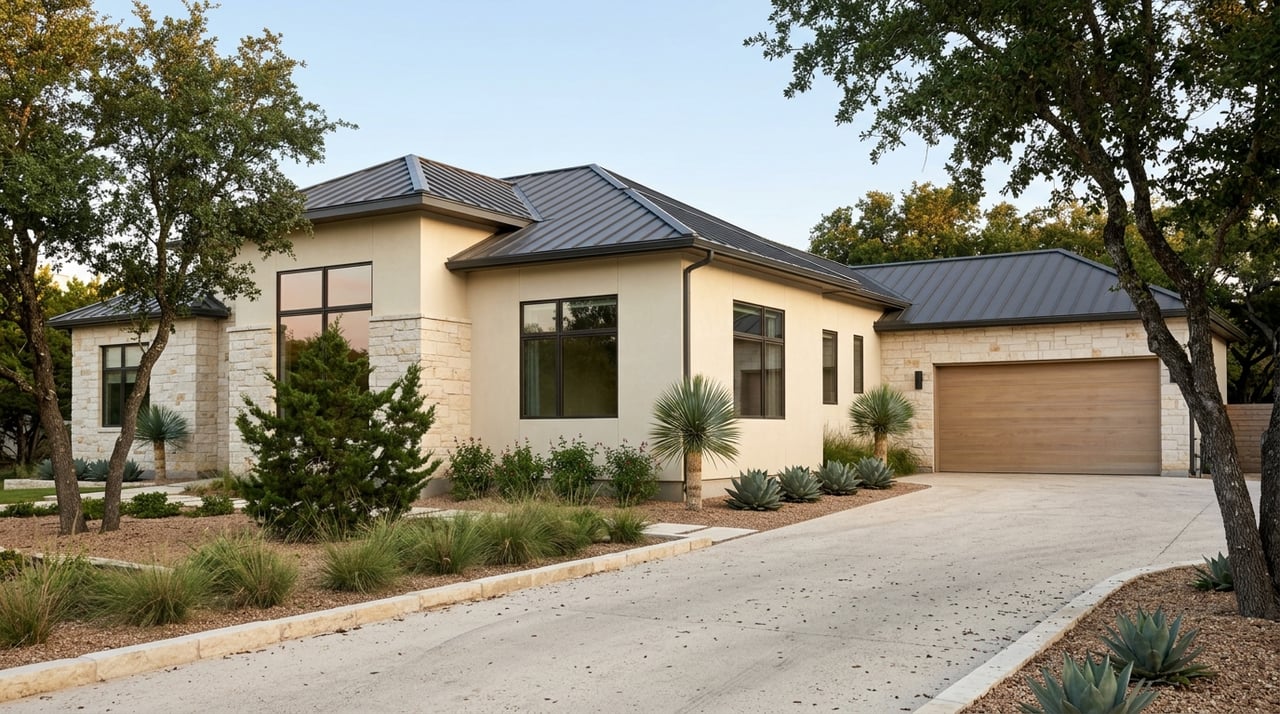
Spicewood Acreage Custom Homes: What Buyers Should Know
April 2, 2026
April 2, 2026
Dreaming about wide-open land and a custom home in Spicewood? The appeal is easy to understand. You get privacy, room to spread out, and the chance to build something that fits the way you live. But buying acreage here often takes more homework than buying a typical homesite in a subdivision. If you are considering land or a custom build in Spicewood, this guide will walk you through the key due diligence steps so you can move forward with more clarity and fewer surprises. Let’s dive in.
In Spicewood, the biggest questions often start with the land itself, not the floor plan. Water service, septic requirements, access, floodplain rules, and emergency-service coverage can vary from one tract to the next. According to Burnet County permitting guidance, that extra front-end work is part of the tradeoff that comes with privacy and land value.
That means your process should focus on site readiness first and house plans second. Before you get too far into design ideas, you will want to confirm that the property can support the infrastructure your build will need.
Water in Spicewood is not something you should assume based on a map or a nearby address. The Public Utility Commission of Texas records show utility service can be highly parcel-specific, and the Commission noted that Windermere Oaks provides retail water and sewer service to customers in Spicewood.
The main takeaway is simple: verify the exact provider for the exact tract. One parcel may have a different setup than the lot next door, so this should be one of your first calls during due diligence.
Electric service also needs to be confirmed early in the process. Pedernales Electric Cooperative’s tariff lists Burnet County among the counties it serves, which means many Spicewood properties may fall within PEC’s service area.
Still, service availability is only part of the picture. You will also want to ask about the actual service point for the property and whether any extension or upgrade work may be needed for your homesite.
Many acreage properties rely on septic systems, private wells, or both. Burnet County requires building and septic permits, and the county does not assign 9-1-1 addresses to vacant or undeveloped lots.
On the septic side, the Texas Commission on Environmental Quality says an OSSF permit is required to construct, install, alter, extend, or repair a septic system. Before that happens, the site must be evaluated by a licensed site evaluator or licensed professional engineer. For wells, the Central Texas Groundwater Conservation District requires new wells to be registered and authorized before drilling begins.
Some Spicewood parcels near the Highland Lakes may fall under additional LCRA oversight. The LCRA OSSF jurisdiction map allows you to check by address or ZIP code.
LCRA regulates OSSFs in the 2,000-foot zone around Lake Travis and the 2,200-foot zone around the upper Highland Lakes. If your tract falls within one of those areas, your septic planning may involve another review layer, which is important to know early.
Access can be one of the most important acreage issues in Spicewood. Burnet County’s 9-1-1 addressing page explains that driveway approval is required for new addresses off county roads or TxDOT roads, and address numbers are assigned based on the driveway and structure location.
In practical terms, that means legal and physical access should be reviewed before you move forward. A beautiful tract can become much more complicated if access approvals are still unresolved.
If the property is reached by a private road, read the fine print carefully. Burnet County’s subdivision rules note that the county has no obligation to maintain private subdivision roads, and deed restrictions or covenants can impose stricter requirements than the county’s rules.
That is one reason acreage buyers should review recorded restrictions, easements, and road maintenance arrangements before committing. These details can affect both your use of the property and your long-term costs.
A current survey is one of the most useful tools in an acreage purchase. Burnet County recommends bringing the latest survey to the site review and specifically recommends using a registered professional land surveyor who knows state and local platting laws.
This becomes even more important if you may want to split, replat, or further develop the land in the future. The county’s subdivision rules require preliminary plat review and recorded plat approval before subdivision development can move forward.
Hill Country land can come with floodplain considerations, even when the homesite looks dry at first glance. Burnet County floodplain guidance states that floodplain development requires a permit, a site plan, and a pre-construction elevation certificate.
The county also makes clear that development in the floodplain without a permit is illegal. It also notes that lenders may require flood insurance, while standard homeowners insurance does not cover flood damage.
If the property is in a flood hazard area or needs grading and drainage work, permit requirements may become more involved. Burnet County says a Class B flood permit requires either an elevation certificate from a surveyor or a letter from an engineer.
For custom-home buyers, permitting is not just a builder issue. It is part of your timeline, your budget, and your risk management.
Before closing, it helps to understand whether the tract will need:
If your plans include clearing brush or burning debris, check Burnet County’s outdoor burning rules and burn-ban status before doing any burning on the property.
A rural property deserves a more specialized due diligence team. For the home inspection side, Texas licenses inspectors through TREC, so you should look for a TREC-licensed real estate inspector rather than relying on an informal walk-through.
For septic work, the process may involve licensed site evaluators, installers, maintenance providers, engineers, or professional sanitarians depending on the system design. For wells, CTGCD registration and authorization should be built into your schedule from the start.
Texas does not require a general contractor license, according to the state’s Texas Licenses and Permits Guide. That makes builder vetting even more important.
When comparing builders for a Spicewood acreage project, ask focused questions about:
For many buyers, this is where experienced representation can save time. A strong local advisor can help you ask better questions before a tract or builder ever reaches the contract stage.
If you are evaluating land for a custom home, these are some of the most important questions to answer before you buy:
For emergency-service coverage, Burnet County’s ESD page lists ESD #9 as Spicewood, which can be helpful context as you evaluate a rural homesite.
The best way to approach Spicewood acreage is to think like a land buyer first and a custom-home buyer second. The right tract is not just scenic or private. It also needs to support water, septic, access, floodplain compliance, and a realistic build timeline.
When you verify those fundamentals early, you can make better decisions about design, builder selection, and budget. That usually leads to a smoother path from raw land to finished home.
If you are exploring acreage or custom homes in Spicewood, working with someone who understands both the lifestyle appeal and the technical due diligence can make the process much more manageable. When you are ready for tailored guidance, connect with Sarah McAloon for a personal consultation.
Stay up to date on the latest real estate trends.

Ready to turn your real estate dreams into reality? Contact Sarah McAloon today for a stress-free and personalized home-buying experience!