Building a Home in Dripping Springs: What to Check First
May 7, 2026
May 7, 2026
Thinking about building in Dripping Springs? Before you fall in love with a floor plan, it is smart to look closely at the lot itself. In this part of Hays County, where your property sits can affect permits, utilities, timelines, and even your long-term monthly costs. If you want fewer surprises and a smoother path to building, these are the key details to understand first. Let’s dive in.
In Dripping Springs, one of the biggest early questions is not design. It is jurisdiction. A lot may be inside the City of Dripping Springs, in the city’s extraterritorial jurisdiction (ETJ), or in unincorporated Hays County, and each setting can affect what rules apply.
The city’s planning materials note that growth is happening both inside city limits and in the ETJ. The city also says its maps are not official for final boundary decisions, so boundary verification should come directly from city staff. If a lot is within city limits, the city offers an interactive zoning map and a zoning-determination letter process.
That distinction matters because Hays County states that unincorporated county areas do not use zoning regulations. So, before you price plans, compare builders, or estimate timelines, confirm exactly where the parcel sits.
Your jurisdiction can shape:
This is one of the most important first steps because it helps you avoid planning a build around assumptions that do not fit the parcel.
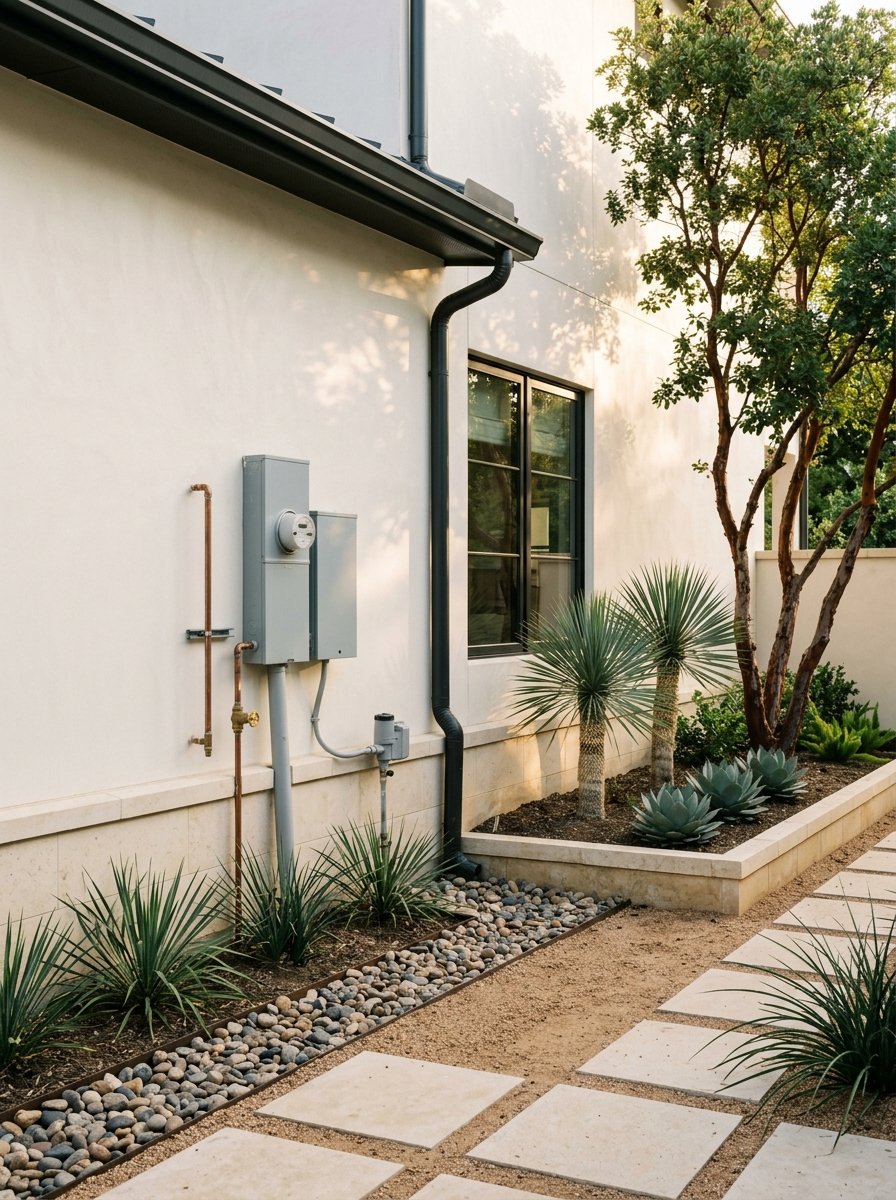
A beautiful lot is not automatically an easy build. In Dripping Springs, utility questions should be answered early, especially water and wastewater. Service can vary by address, and that can influence cost, design, and timeline.
The City of Dripping Springs says it manages wastewater service only for properties inside city limits and certain subdivisions under development agreements. The city also states that its wastewater treatment plant is operating at full capacity and is not accepting new wastewater service connections at this time.
That means you should never assume sewer service is available just because a lot is nearby other homes. You need to verify actual service availability for the specific parcel you are considering.
The city is not the only provider in the area. Dripping Springs WSC serves its own defined service area and has its own maps and drought restrictions. In practical terms, the water provider can change depending on the property address.
For buyers, this means utility research is not a box to check at the end. It should be part of your lot screening process from the start.
If a lot does not have sewer access, an on-site sewage facility may be needed. The Texas Commission on Environmental Quality says permits are required for these systems, an approved plan is required to construct or alter one, and the site must be evaluated by a licensed site evaluator or professional engineer.
Hays County also lists an OSSF permit among its common development permits. So if you are considering a homesite without sewer, septic feasibility should be treated as a major due-diligence item, not a minor follow-up.
In Dripping Springs, lot prep is not always simple. Conditions on the property itself can influence where the home sits, how much clearing is possible, and what site work may be allowed.
The city’s landscape ordinance regulates tree preservation, limits removal of heritage trees, and includes drip-irrigation and landscaping guidance. That means tree cover is not just a cosmetic feature. It can directly affect your site layout and how much flexibility you have with the build.
A lot with mature trees may be appealing, but it can also come with design constraints. Depending on the site, you may need to work around preserved trees, adjust clearing expectations, or rethink placement for the driveway, foundation, and outdoor areas.
This is why lot selection should include more than price, views, and acreage. The physical characteristics of the lot can affect both the build process and the final plan.
Floodplain status is another key filter. Hays County says all development requires a county permit, whether it is inside or outside the floodplain, and the county defines development broadly.
That broad definition includes houses, slabs and foundations, fill, clearing, and other site work. In other words, even early stages of preparing a lot can trigger permit requirements, so floodplain and county development review should be part of your early diligence.
Custom builds often take longer than buyers expect, and in Dripping Springs, the review process can be a real factor. Between city review, county permits, utility questions, and outside inspections, timing can shift based on the lot and scope of work.
The City of Dripping Springs encourages applicants to contact planning before submitting a building permit so staff can confirm location-based requirements and identify any added approvals. The city also says all forms must be submitted digitally through MGO.
For planning applications, the city says submittals are handled through MGO Connect. The posted timelines include:
These timelines are helpful, but they also show why custom home planning usually needs a realistic buffer. Even when a process is clear, it still takes time.
The city notes that it contracts with a third-party inspection agency for structural plan review and inspections. If your lot is inside city limits or in a subdivision with an executed development agreement, the city also requires licensed tradesmen to register with the Building Department.
That is one reason it helps to work with a builder who already understands the city process. Familiarity with local requirements can reduce confusion and keep things moving.
Hays County may require separate approvals depending on the project. The county’s development process can include:
The county also says development permits are valid for one year to begin construction and, once work starts, two years to finish. If construction does not begin within one year, the permit expires and the process must begin again.
When buyers compare resale homes to custom builds, they often focus on land cost, construction cost, and finishes. In Dripping Springs, there is another layer worth checking early: whether the property is in a MUD or PID.
These districts help fund infrastructure, but they do not work the same way. Understanding the difference can help you get a clearer picture of long-term carrying costs.
A Municipal Utility District, or MUD, is an independent district that helps finance roads, utilities, drainage, and related infrastructure. The City of Dripping Springs says MUD bonds are not a city obligation and are typically repaid by residents through an ad valorem tax.
The city can consent or not consent to a MUD in the city or ETJ, while TCEQ has final authority on creation and bonding. For buyers, the main takeaway is simple: a MUD can add to the property tax picture tied to ownership in that district.
A Public Improvement District, or PID, works differently. The city’s FY2025 audit states that Dripping Springs PID districts were created by City Council ordinance, and the city collects assessments levied on property owners in the improvement area to pay special-assessment bonds.
The same audit says the city is not liable for repayment and acts as a custodian and collector. It also shows Heritage PID special-assessment revenue bonds with maturities extending as far as 2054, which is a reminder that these obligations can continue for many years.
If a lender escrows taxes and assessments, MUD or PID obligations can affect your monthly carrying costs. That is why these items should be reviewed alongside taxes, insurance, utilities, and construction budgeting when you compare a custom build to an existing home.
A resale home usually offers more certainty up front. You can evaluate the property as it exists, estimate monthly costs more easily, and move forward with fewer unknowns about utility access or permit timing.
A custom build gives you more control, but it also asks more of you early in the process. In Dripping Springs, that front-end diligence can make all the difference.
Before you move forward, ask:
The city’s planning department notes that it coordinates with Hays County, utility companies, emergency service districts, CAMPO, and state agencies to support development compliance. That is a helpful reminder that building here can involve several moving parts, even before construction begins.
If you are drawn to the idea of building in Dripping Springs, the best first move is usually not choosing finishes or square footage. It is verifying the lot, then confirming utilities, district obligations, and review requirements before you get too far down the road.
That approach can help you compare opportunities more clearly, avoid costly surprises, and move into the design phase with better information. In a fast-growing area like Dripping Springs, that kind of preparation is not just helpful. It is essential.
If you want a knowledgeable local guide as you compare lots, builders, and resale alternatives in Dripping Springs, connect with Sarah McAloon for personalized guidance.
Stay up to date on the latest real estate trends.

Ready to turn your real estate dreams into reality? Contact Sarah McAloon today for a stress-free and personalized home-buying experience!