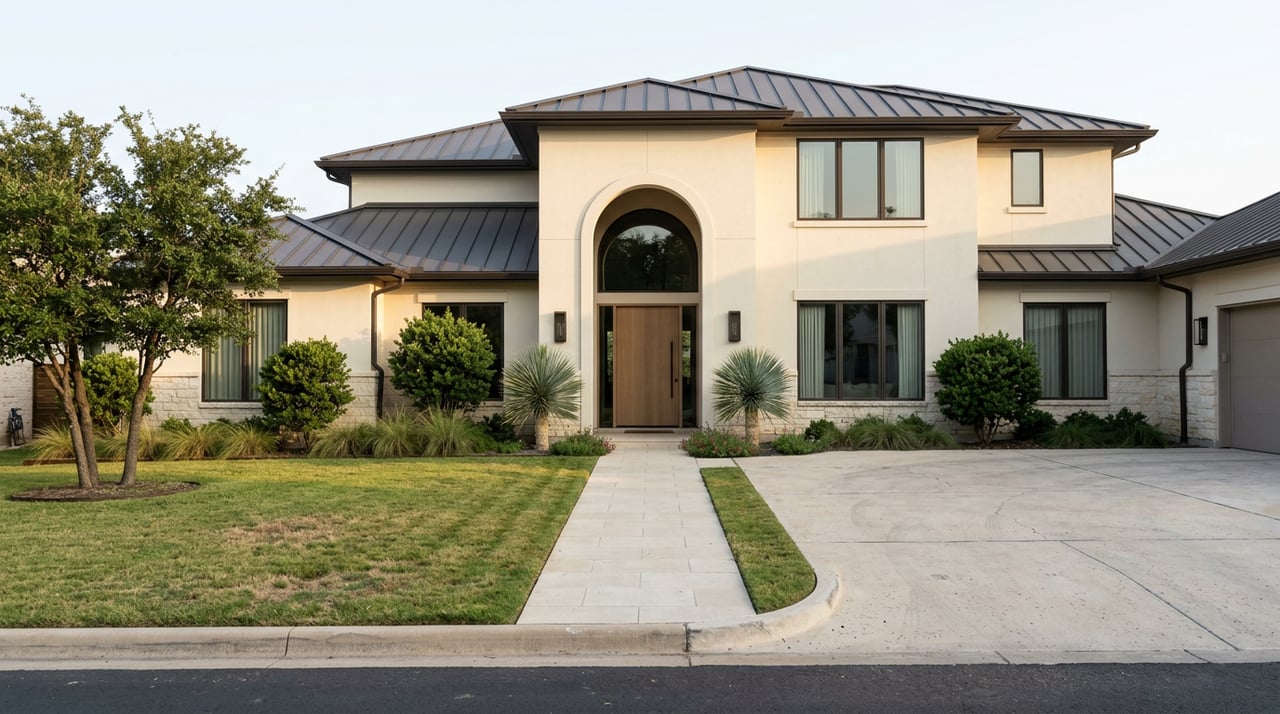
Buying in Bee Cave’s Competitive 2026 Home Market
March 24, 2026
March 24, 2026
Ready to move fast on a Bee Cave home but not sure how to stand out without overspending or taking on too much risk? You are not alone. Buyers here often face multiple offers on the most desirable listings, even as the broader Austin area cools from the frenzy of 2021–2022. In this guide, you will learn how to prepare, what to include in your offer, and how Texas contract tools can help you compete with confidence in Bee Cave. Let’s dive in.
Bee Cave sits at the higher end of the west Austin suburbs, with typical prices often landing between about $860,000 and $1.05M. Regionally, the Austin area has shifted toward a more balanced market, with months of inventory around four in early 2026, according to the Central Texas Housing Report. That means you may have more leverage than you did a few years ago, but the best homes still draw strong attention.
The takeaway for you: price discipline matters, but so do clean terms and certainty. The buyers who win are prepared, well-advised, and clear about their limits.
Proximity to Lake Travis, access to west Austin job centers, and neighborhood amenities continue to shape demand. Local school policies have also been in the news. For example, Lake Travis ISD approved a selective‑enrollment plan for certain campuses, which can influence demand patterns in nearby neighborhoods. You can read more about that policy change in this Community Impact report. Keep your search flexible and rely on micro‑level MLS data to spot where competition is highest.
Preparation is how you gain an edge before you ever talk price.
You have levers you can pull to make your offer stand out while managing risk.
Start with a price aligned to local comps. If you expect competing offers, you can consider an escalation clause that increases your price by a set amount up to a cap. This can keep you in the running without overpaying by a wide margin. Remember that escalation clauses can reveal your ceiling and not every seller prefers them. Your agent will advise based on the listing’s dynamics.
In many Austin‑area transactions, earnest money lands around 1 to 3 percent of the price. Some buyers increase their deposit to signal commitment. That can help in a tight race, but it also raises your financial exposure if you default under the contract. Follow local custom and your risk tolerance.
In Texas, the TREC One to Four Family Residential Contract creates an option period if you pay the option fee and deliver it on time. During the option period, you can terminate for any reason. The timeline and delivery rules matter, and failure to pay on time can remove your option right. For authoritative guidance, review TREC’s public FAQs and confirm specifics with your agent or attorney.
Many Bee Cave buyers make their offer more attractive by shortening the option period, often to about 3 to 7 days. Shortening or waiving the option increases your risk, so balance speed with protection.
You have a range of choices:
Most buyers choose a middle ground that preserves protection for major issues while signaling flexibility on smaller items.
If you are financing and the appraisal comes in low, the lender will not finance above the appraised amount. A strong offer can include an appraisal‑gap guarantee, where you agree to bring cash to cover some or all of a shortfall up to a stated cap. You can also increase your down payment or choose a program less sensitive to small gaps. Only include a gap guarantee if you have documented liquid funds.
You can shorten financing deadlines if your lender can reliably perform within that timeframe. A fully underwritten pre‑approval helps here. Removing the financing contingency entirely is high risk unless you are buying with cash or have a rock‑solid approval and reserves.
Sometimes the cleanest non‑price terms make the difference:
Certainty and alignment with the seller’s timing often separate otherwise similar offers.
Personal letters can introduce fair‑housing risk if they reveal protected characteristics such as race, religion, or familial status. Many brokerages now discourage or refuse to deliver them. If you choose to share a note, keep it strictly about the property and your objective terms. For background, see this Washington Post coverage.
Competitive does not have to mean careless. Protect yourself with these guidelines:
Use these as starting points with your agent. Your final structure should reflect current comps and seller priorities.
This is a good fit when the data is solid and you want meaningful due diligence.
Use this in clear multiple‑offer situations when you accept higher risk for a better chance to win.
This approach protects your key rights while showing the seller you are easy to work with.
In Travis County, 30 to 45 days is a common closing window. You can sometimes close faster if your lender and title company are local and fully prepared. If the seller needs more time after closing, discuss a short rent‑back with clear terms and insurance guidance. Keep your contractor list handy so you can price any urgent repairs early, especially if you offered a short option or gap coverage.
Winning in Bee Cave is about smart preparation, credible financing, and clean, seller‑friendly terms, not just the highest price. With a clear ceiling, targeted concessions, and the right local strategy, you can secure the home you want without taking on avoidable risk.
If you are ready to buy in Bee Cave or nearby Lakeway, Spicewood, or west Austin, work with a local advisor who understands micro‑market swings, Texas contracts, and new‑construction options. Sarah McAloon combines boutique, high‑touch guidance with Compass tools to help you move confidently and close smoothly. Schedule Your Personal Consultation.
Stay up to date on the latest real estate trends.

Ready to turn your real estate dreams into reality? Contact Sarah McAloon today for a stress-free and personalized home-buying experience!